Tetyana
More pictures
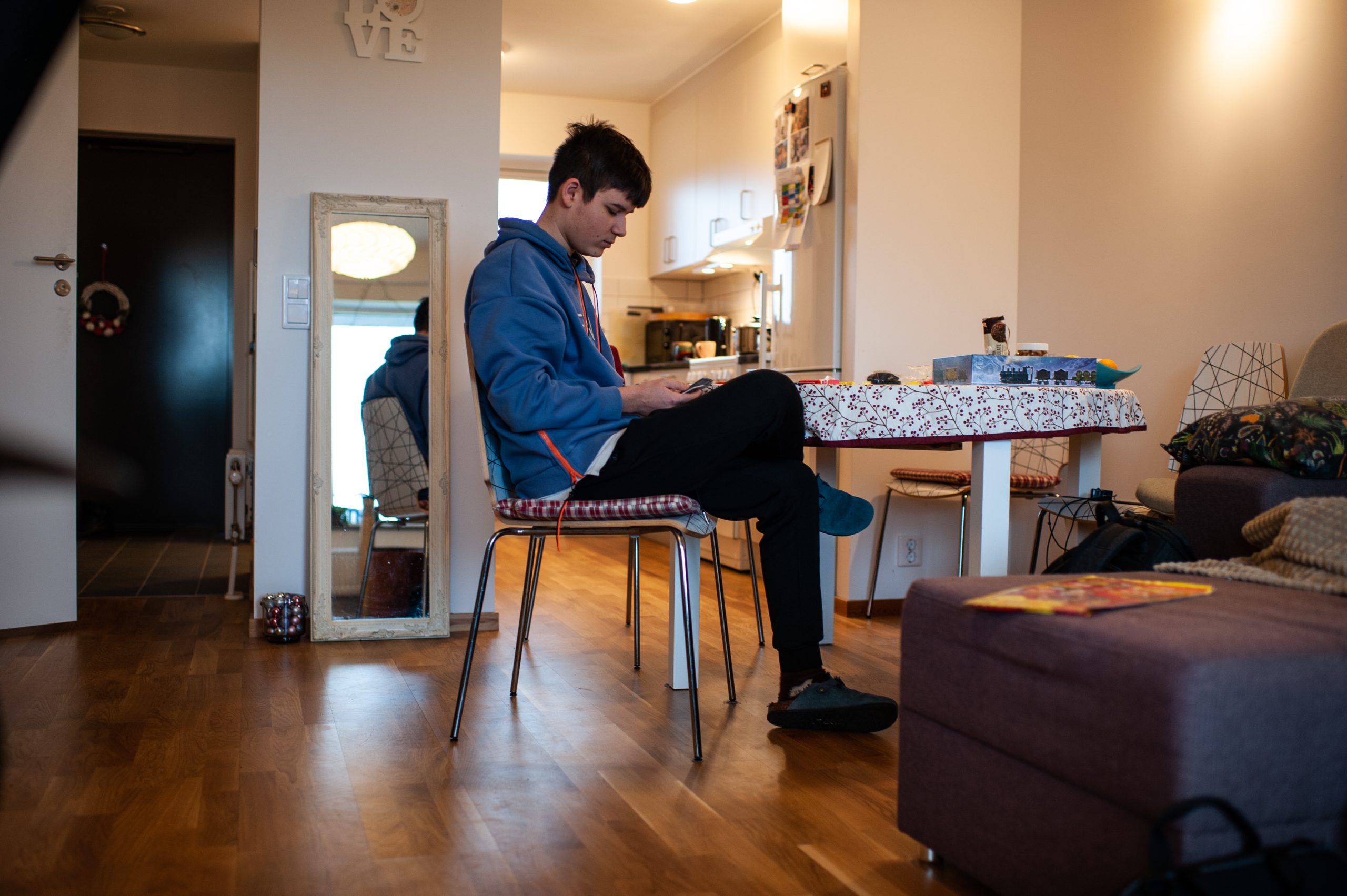
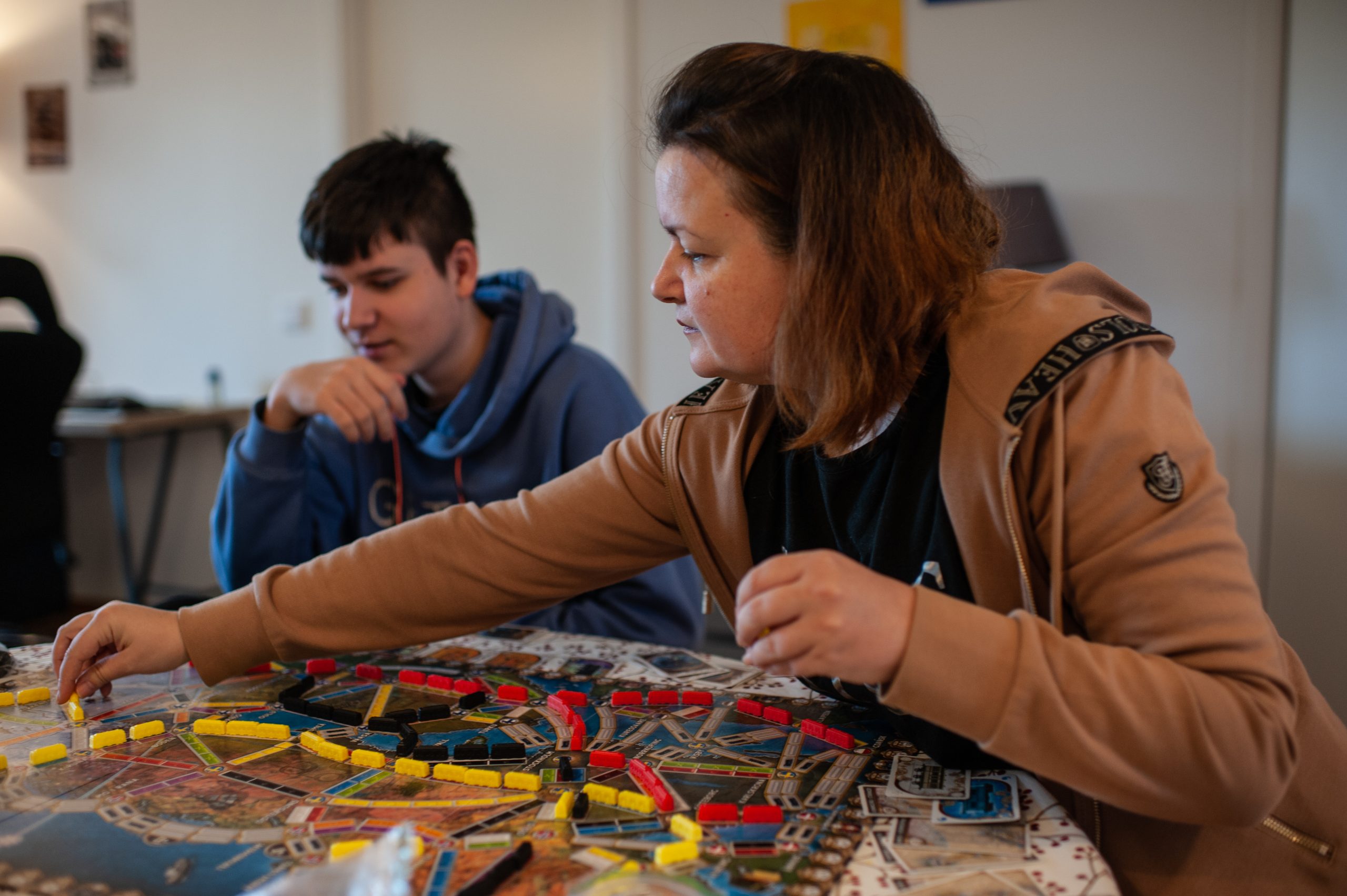
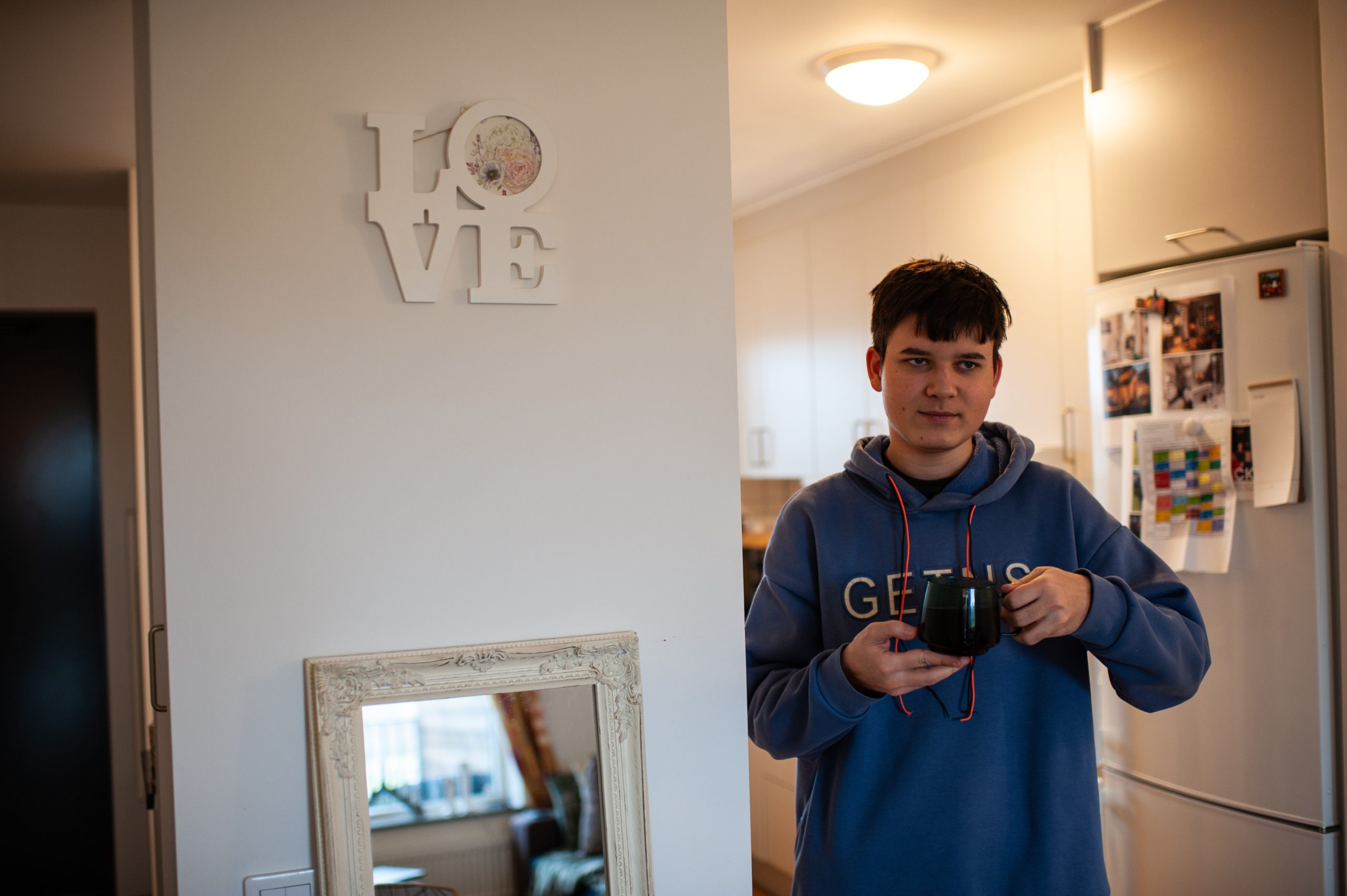
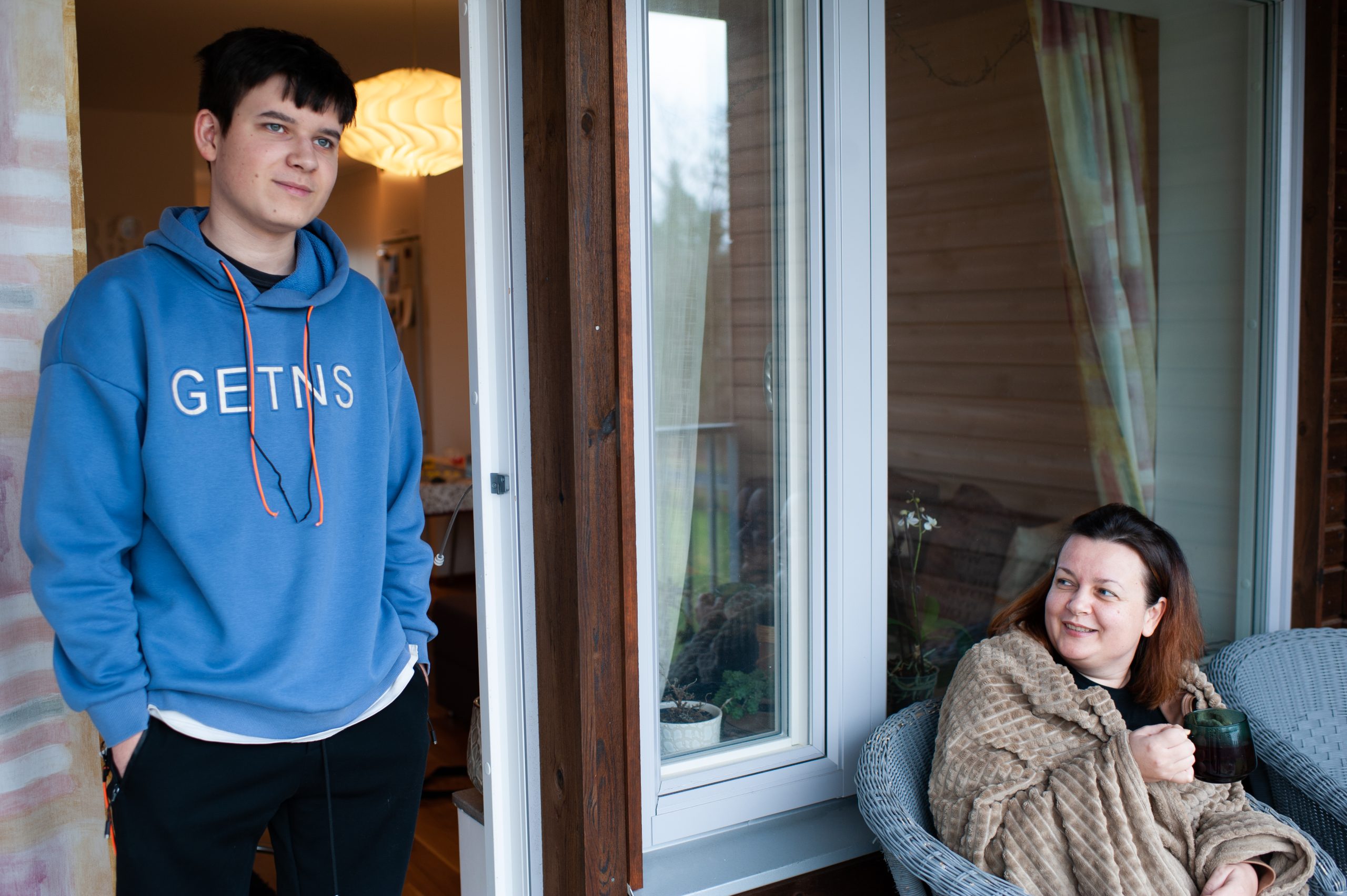
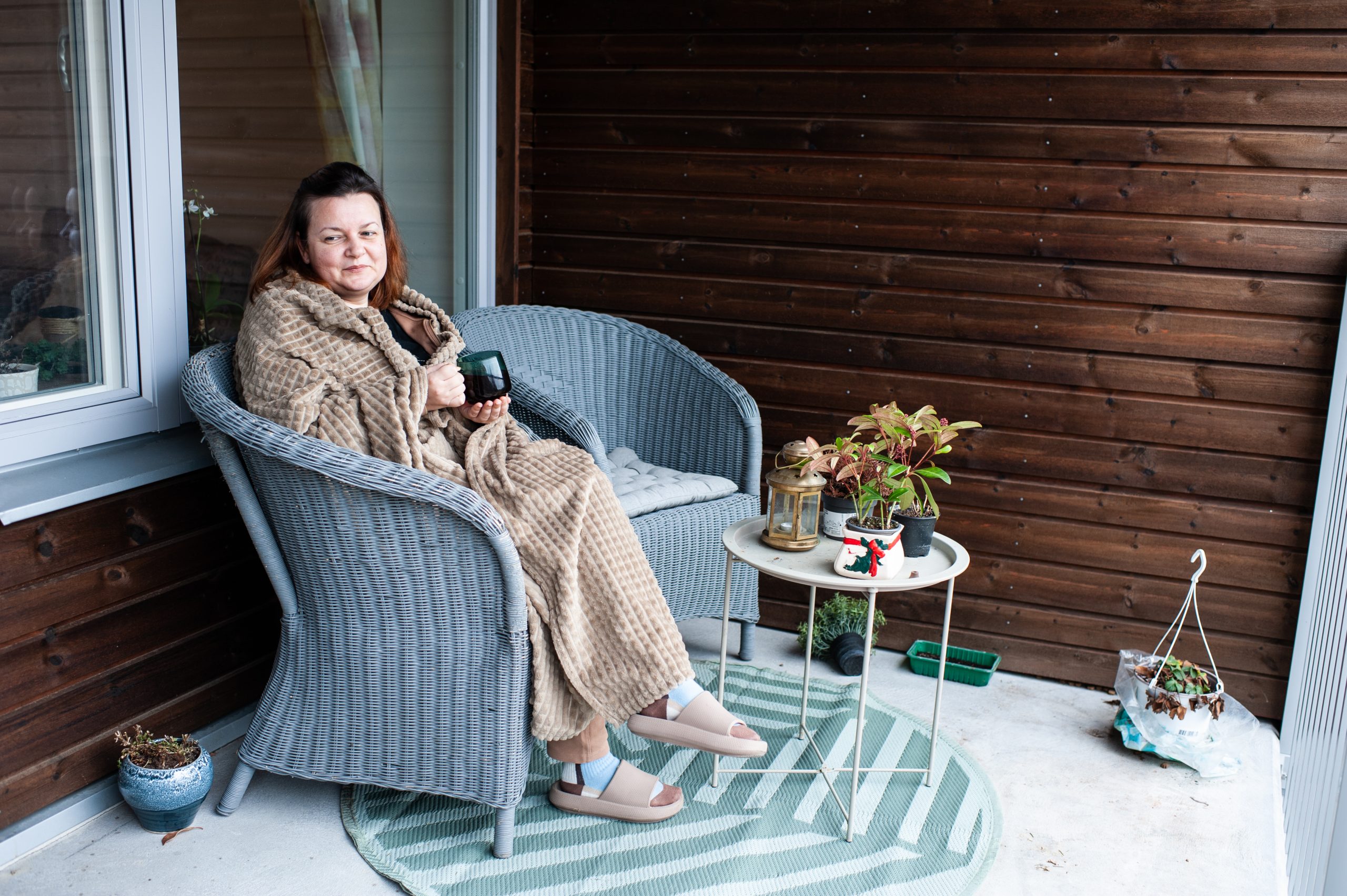
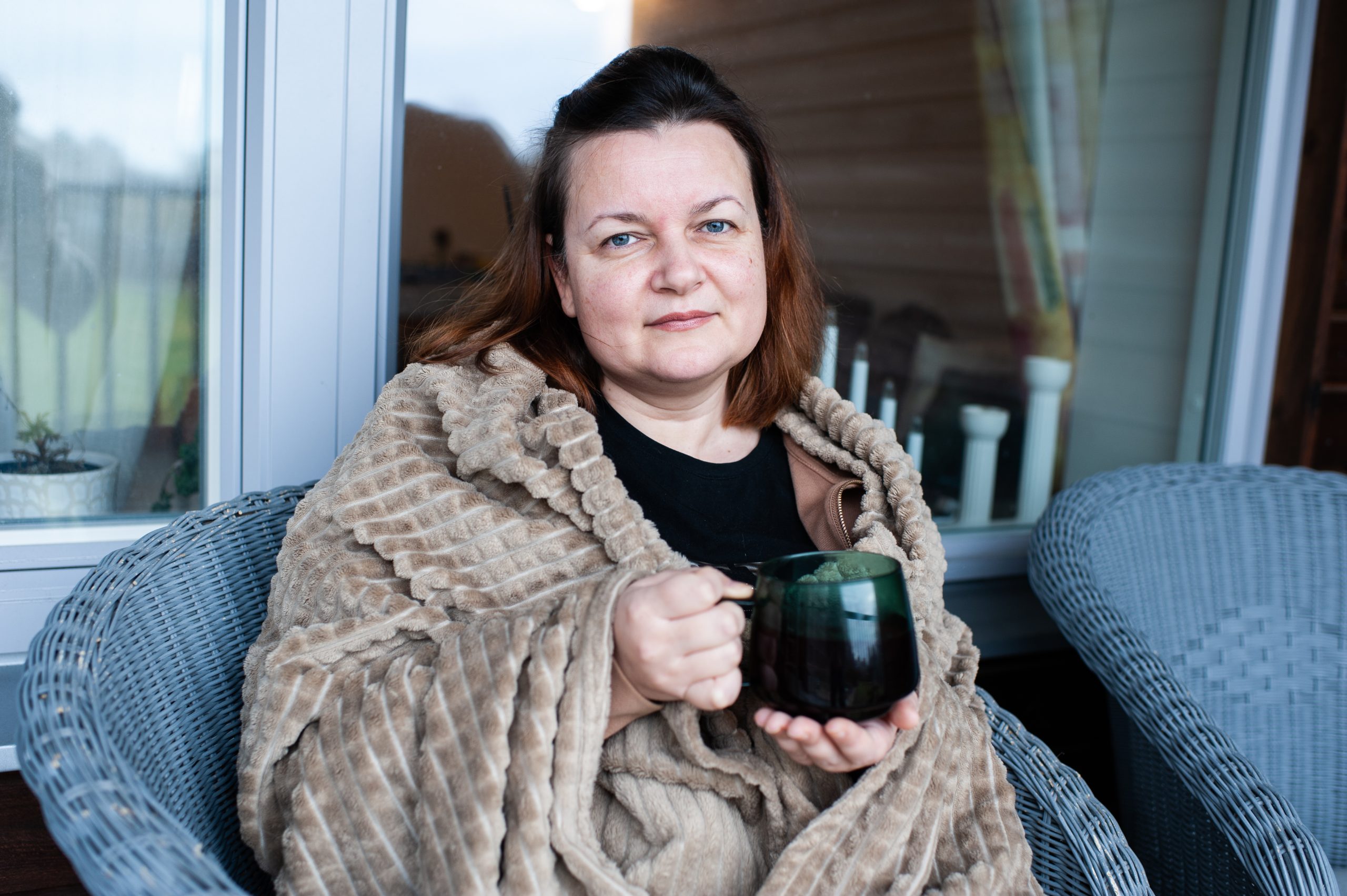
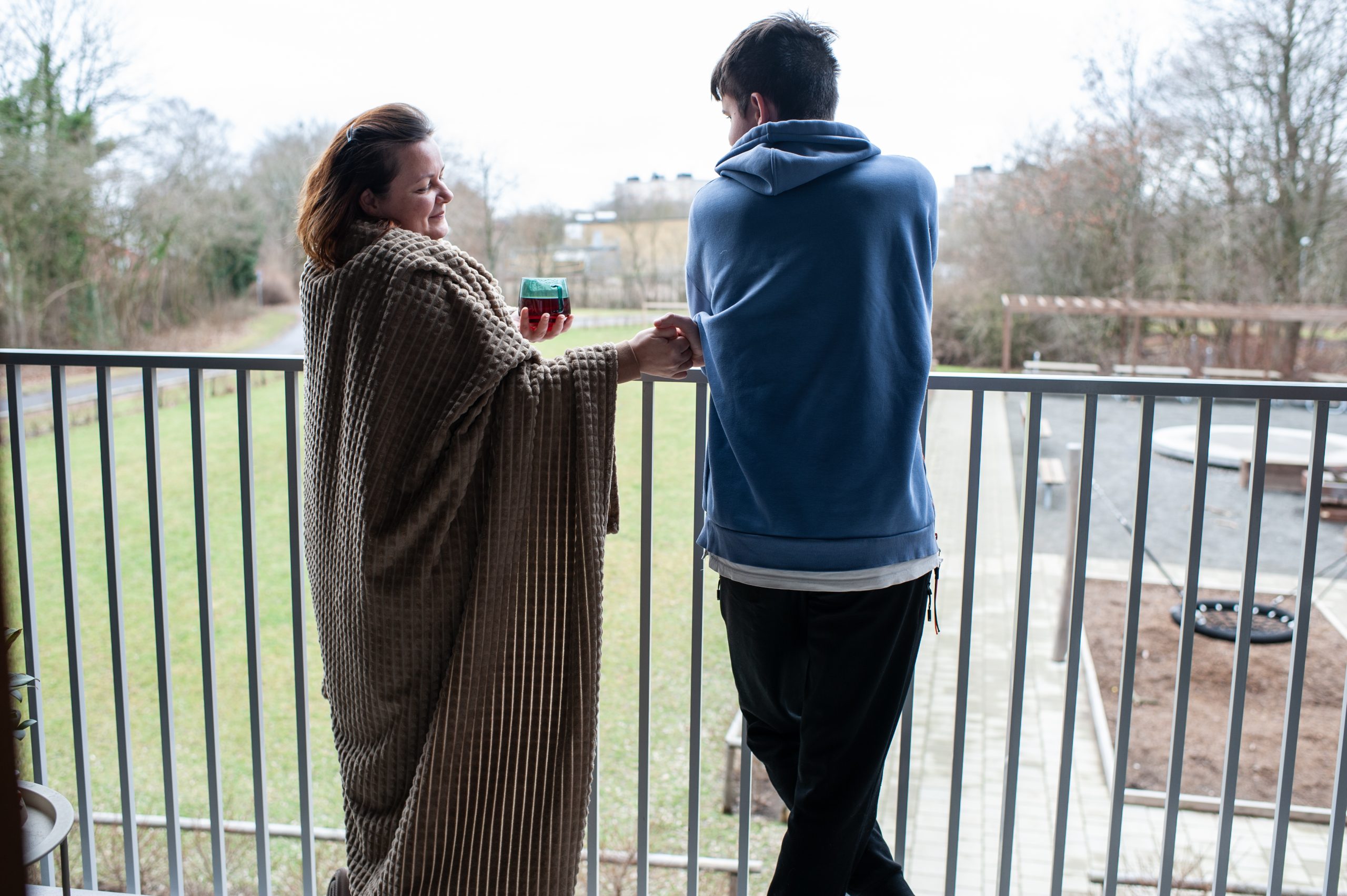
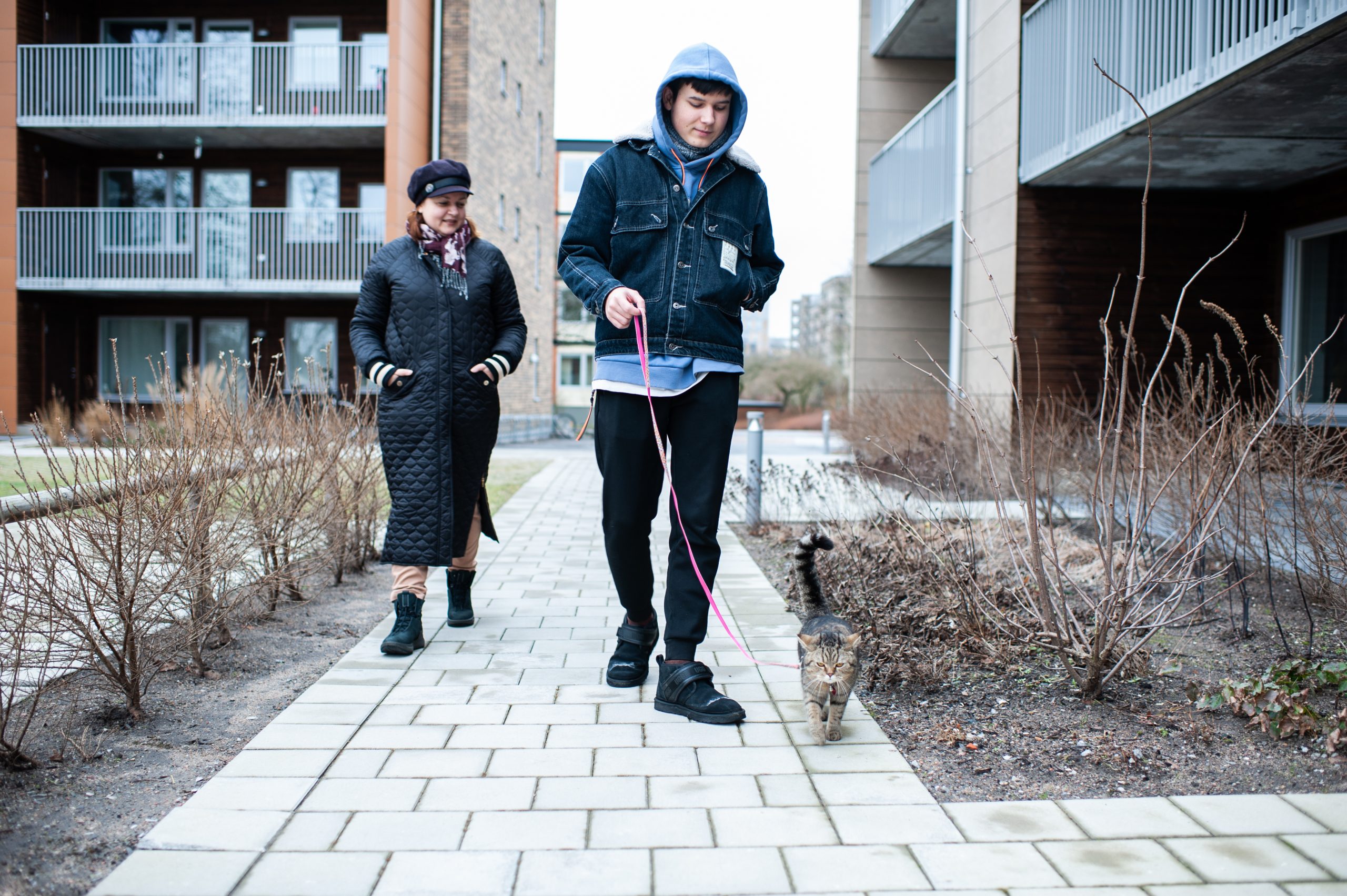
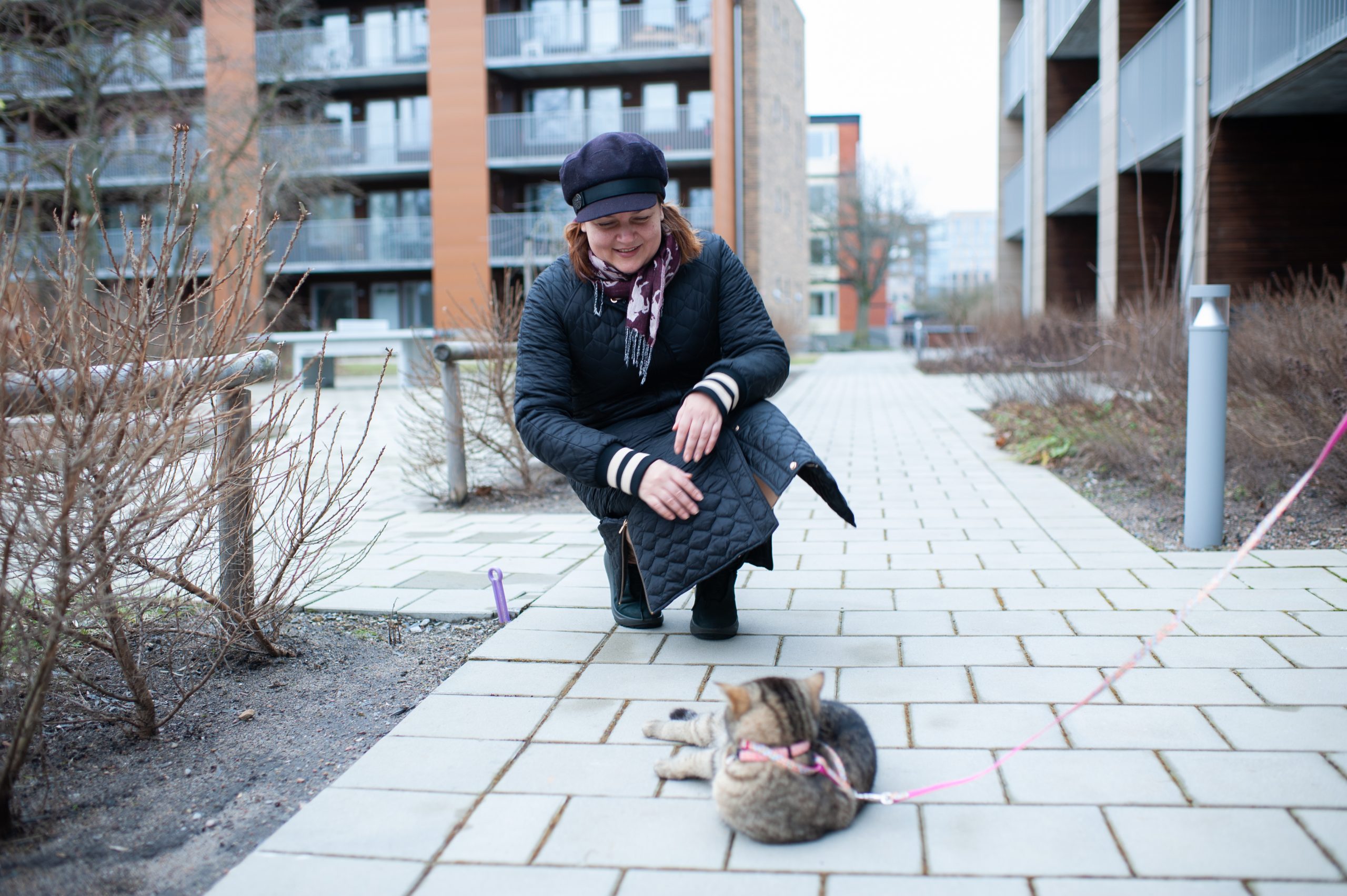
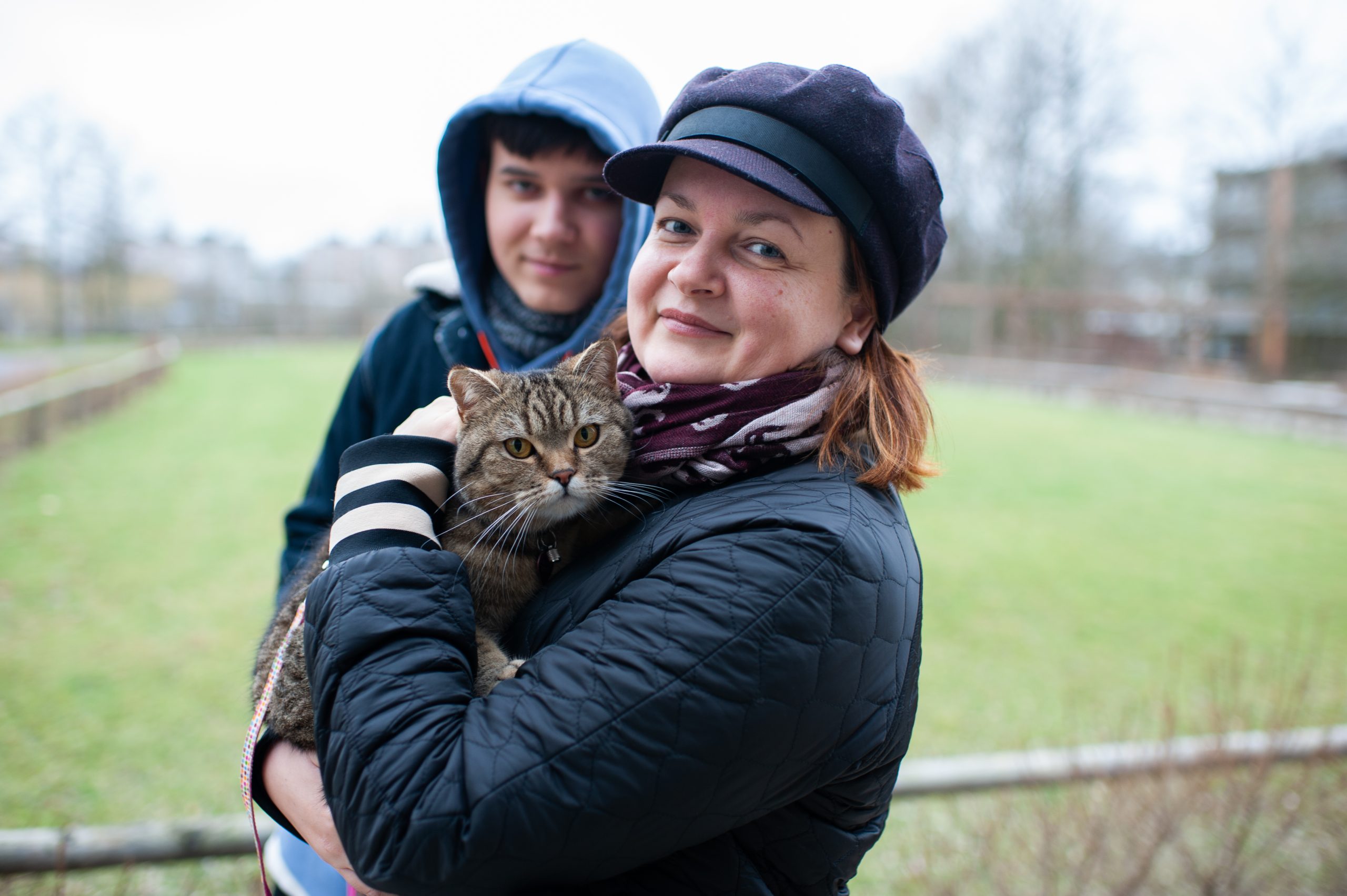
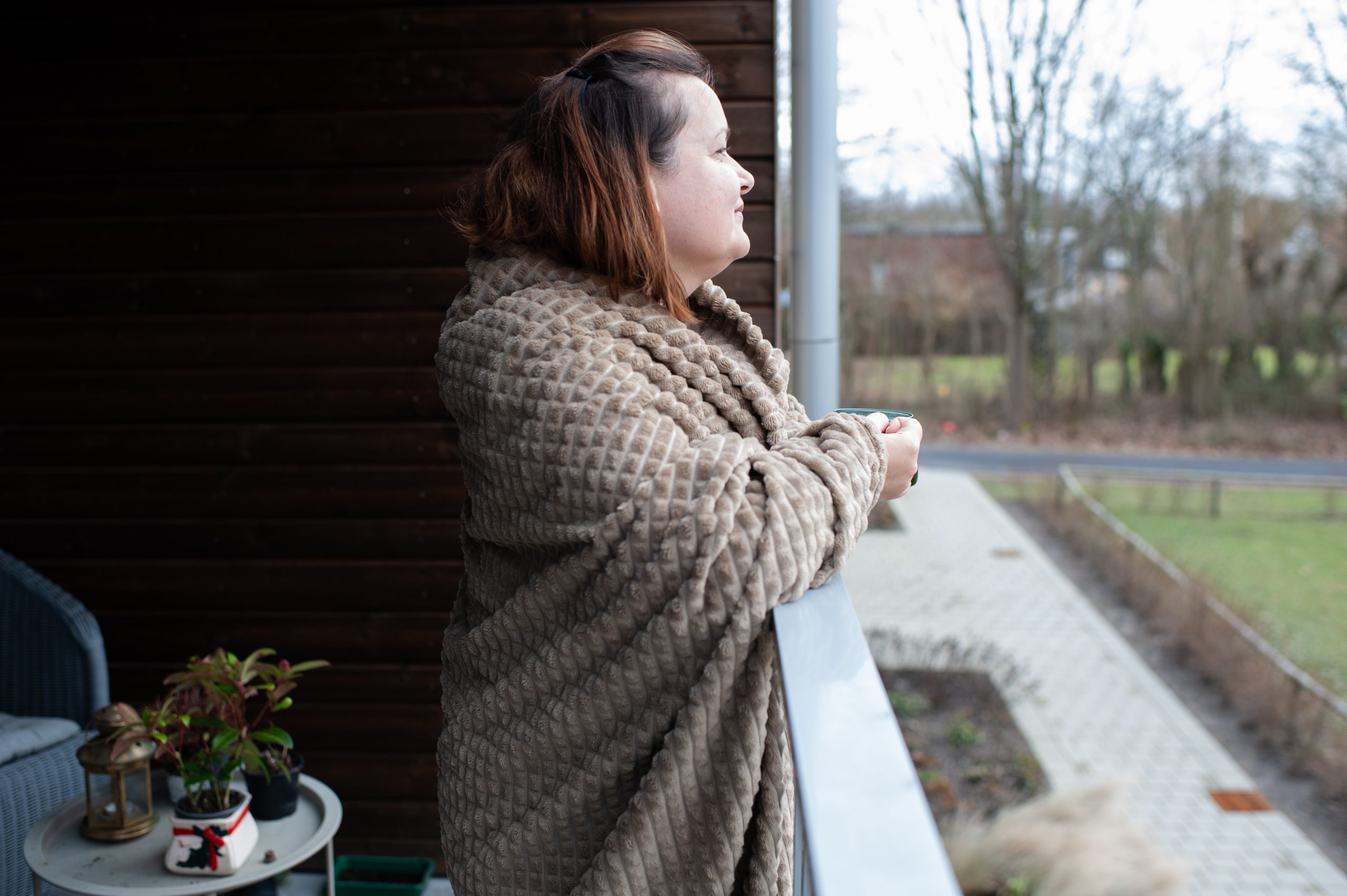
“I am terrified to think about what will happen to our homeland and the world as a whole. Although this may seem like a localized war to most people, I am convinced that if Ukraine loses, it will change the world entirely.”
On February 24, 2022, I woke up around 5 a.m. to the sounds of explosions. My common-law husband and I realized that the war had begun. We quickly gathered our things and went to his children from his first marriage to deliver necessary documents to his ex-wife, who wanted to take the children to the western regions of Ukraine as soon as possible. I called my son and told him to pack his belongings. I decided to go with him to my parents in Vinnytsia. At around 8:30 a.m., I was at home. My 14-year-old son had already packed his suitcase, filling it mostly with his school textbooks. I remained composed, as having a clear plan helped me cope. By 10:30 a.m., we left Kyiv in my car. The traffic was moving very slowly, as many people were trying to leave simultaneously. For about two hours, we were almost at a standstill. Fighter jets flew overhead; some people turned back, while others sought alternative routes to leave. Unfamiliar with any other roads to Vinnytsia, I decided to wait. I was deeply moved when I saw people walking on foot, carrying children, pets, and dragging suitcases behind them. With a few empty seats in my car, I decided to offer a ride to a woman and her child who were walking. Soldiers and civilians were already digging trenches to defend against the advancing Russian forces. This new reality was hard to grasp. War! And it was close, right above us, with enemy jets and tanks on the streets of our city. I constantly listened to the news. Almost all vehicles were heading west toward the Polish border. When I finally reached the Zhytomyr highway, my journey became easier, as I was traveling in a different direction than most. I dropped off the woman and her daughter in Zhytomyr and continued south to Vinnytsia. I drove as fast as possible, having heard about the bombing of Kalynivka (Vinnytsia region), where a military airfield was located. I wasn’t sure if Vinnytsia would be safer, but my parents were there, and I wanted to reach them as quickly as possible. After eleven hours on the road, we arrived in Vinnytsia late at night. A few days later, my common-law husband joined us. We lived in a multi-story building, and each time an air raid siren sounded, we rushed down to the basement. This was very exhausting, especially for my elderly parents. In the suburbs of Vinnytsia, my sister, who was in Hungary with her family during the full-scale invasion, had a house where we decided to move together. The house had a potato cellar, and that’s where we hid during shelling. We stayed dressed day and night. Some of our acquaintances volunteered for the front lines. Our family helped gather necessary equipment for them, which provided some relief. News of Russian advances in the Kyiv region and the potential use of nuclear weapons by the aggressor nation spread, which frightened me greatly. This led to a panic attack. My mental state did not improve. At around 24 years old, I was diagnosed with a hereditary mental illness – bipolar disorder. This disorder manifests in two distinct mental states: an affective state with elevated mood – known as mania – and a depressive state when the mood declines. It typically worsens in spring and autumn, but severe stress can also trigger it. Even before the war, I felt a mild depressive state that began to intensify. The stress from the war, constant shelling, and dreadful news exacerbated this condition. Emotional pain, weakness, and fatigue were my constant companions. I had shallow sleep, leaving me feeling shattered upon waking. I had to increase my medication dosage, but it didn’t help. My sister, observing the news from Hungary and aware of my health condition, insisted that we leave the country and join her. I decided this would be the best option for me and my son. Later, my husband’s sister and her daughter joined us. My parents chose to stay in Ukraine at that time. My common-law husband planned our route, considering my condition. I mustered all my inner strength to undertake this journey. We traveled near border towns. On March 2, we reached Kolomyia, where we stayed overnight, and by the afternoon of March 3, we crossed the border into Hungary. Leaving my homeland, parents, and common-law husband was very difficult, but I understood I had to do it for my son’s safety. On the evening of March 3, we finally arrived at my older sister’s place. My mental state did not improve. I’ve had bipolar disorder for many years and have learned to monitor my mental health independently. Though I was safe among family, it was just the beginning of my journey. My sister’s husband suggested I look for work, understanding that the war would last long and I needed to rely on myself in the future. Initially, I was shocked, but I began sending out my resume. I am a doctor by education and, in recent years, taught medicine to foreign students in English at Taras Shevchenko National University in Kyiv. On March 8, 2022, I had an interview with the director of a small company in Lund, Sweden, developing medical technology equipment for monitoring the condition of premature infants’ lungs. By profession, I am a neonatologist, and my university dissertation focused specifically on the care of premature infants.
I was extremely nervous during the interview because I had to conduct it in English and was in a fragile psychological state at the time. I had no idea how the employer would react. But just a few hours later, I received a call informing me that I had been accepted for the position of Clinical Project Director and could come to Sweden as soon as I was ready. I immediately booked plane tickets, and by March 15th, we had arrived in Malmö. My new director met us at the airport and drove us straight to the company office in the city of Lund. Initially, we moved into the home of professors from Lund University who were involved in developing the medical equipment for this company. The house had two floors and separate entrances. We were offered the entire second floor for a separate rent. Since I had not yet received any salary, the company paid for our first month of rent. They also bought us groceries and other household essentials for our initial needs. They helped us with the necessary paperwork at the Migration Agency and with opening a bank account. They also began helping us search for our own apartment in Lund. My son was enrolled in a local school. Despite all these positive developments in my life, I felt terrible. My depression continued to consume me. I became increasingly afraid of how I would manage the responsibilities of the job that awaited me in this company. Moreover, no one knew about my illness or the condition I was in at the time. All my life, I had kept my diagnosis a secret from everyone. In Ukraine, I had always been treated privately – one might even say anonymously. All of my medical procedures took place at home. Officially, there is no record of my illness in any formal documents. I believed that this particular disorder could negatively impact my medical career. But now, I was in a foreign country, running out of the medication I relied on regularly, and – most importantly – it was becoming harder and harder to hide my condition. I knew that continuing to conceal it might eventually affect my work. I finally made the decision to reveal my “secret” to the professor whose family I was living with. She responded with the utmost understanding and even took me to a local specialized hospital, where I was immediately registered and began receiving regular medication-based treatment. I felt a tremendous sense of relief knowing that someone knew the truth about me – and that it didn’t change how they treated me at all. I had always accepted myself as I was, but after this experience, I began helping other people – especially Ukrainians I met in Sweden – who were experiencing severe psychological distress as a result of the war and didn’t know how to cope. I began to openly tell people that I have bipolar disorder, that I know what depression feels like, and that it is possible to live with it and overcome it. Accepting my illness became a source of strength and experience that I could share with others. And so, my life continued to evolve.
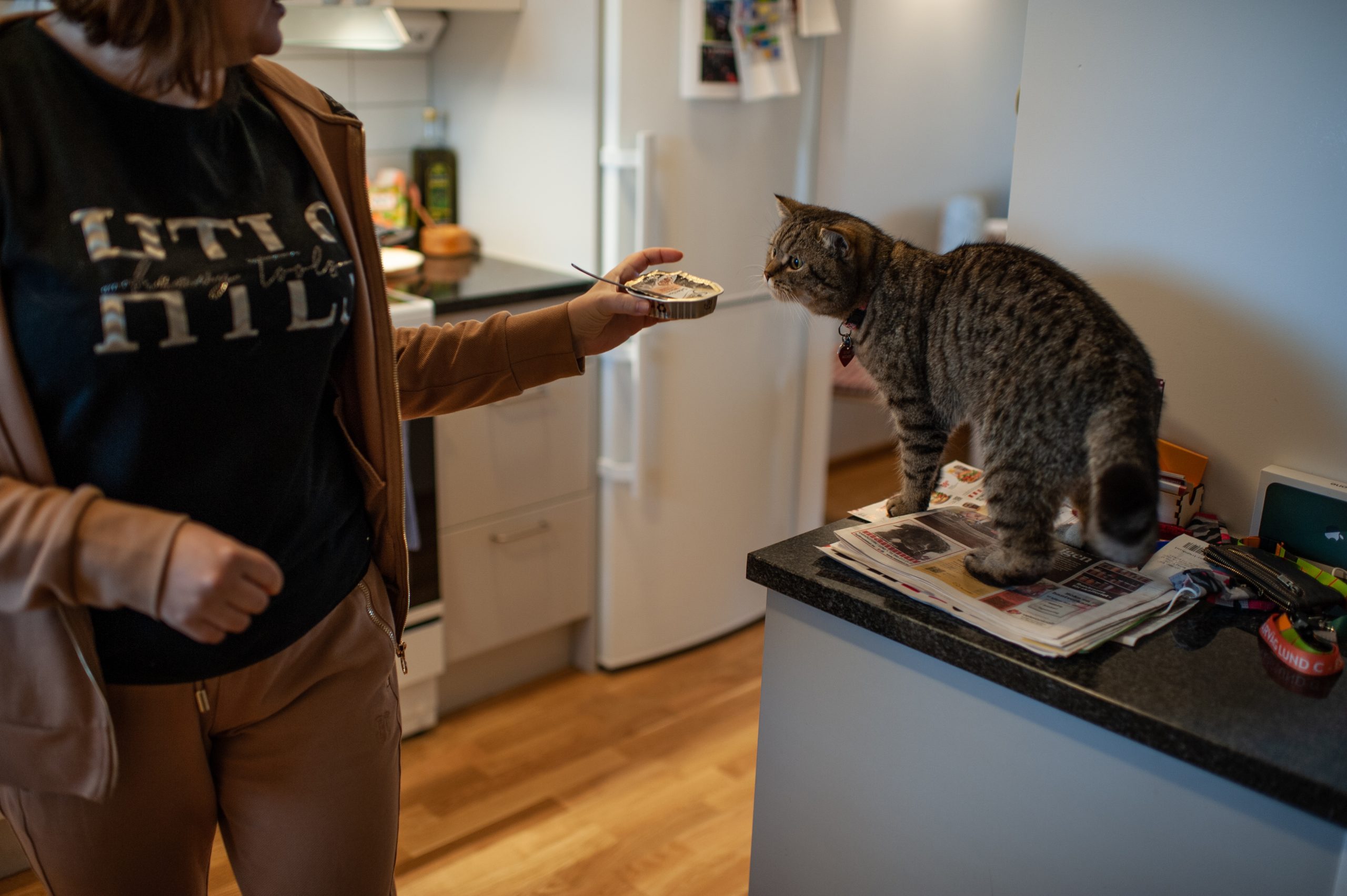
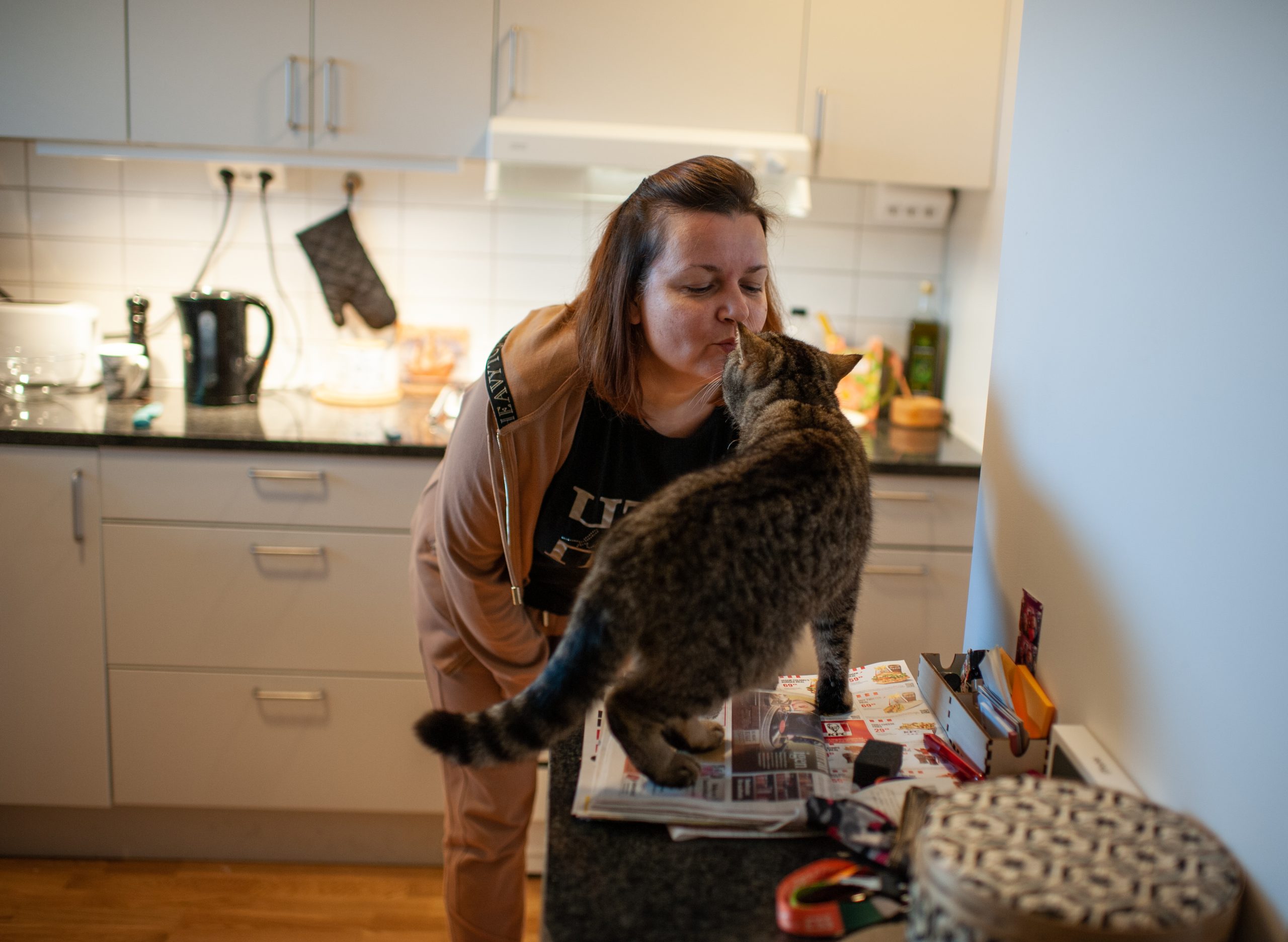
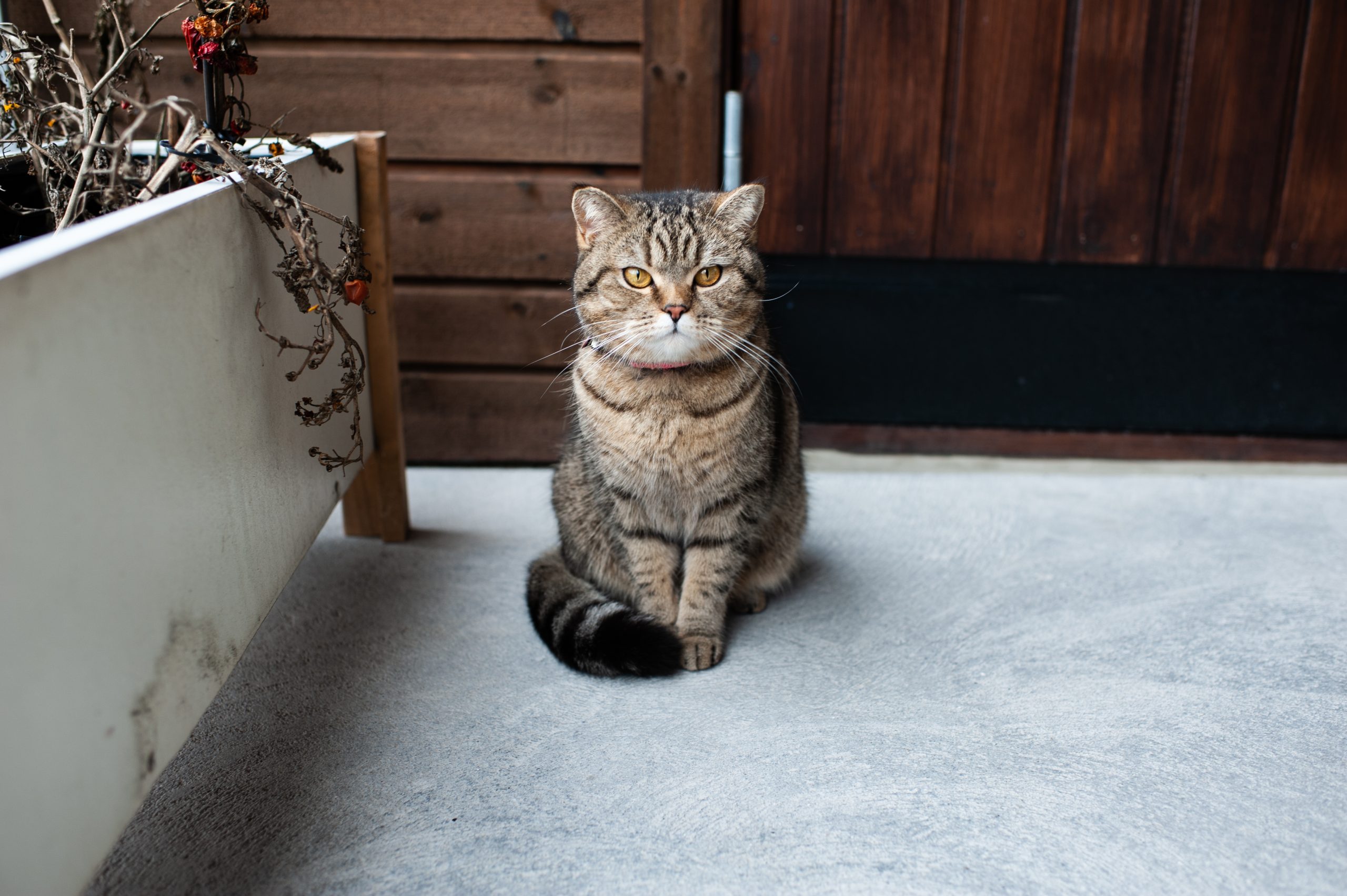
I separated from my common-law partner because our relationship couldn’t withstand the strain of long-distance separation. It was a difficult moment for me, but I got through it. My son adapted well to Swedish society and really liked it here. My teaching contract in Ukraine was reviewed, and because of the war, foreign students were forced to leave the country. As a result, my contract was not renewed. I officially resigned from the Ukrainian university. In Sweden, I began forming a circle of fellow Ukrainians, and as I grew closer to this community, the idea of returning to Ukraine started to feel more and more distant. The only thing I was still deeply worried about was my parents. Neither my sister nor I were in Ukraine, and we began thinking about how to bring our parents out of the country. My father has the same disorder that I do. He has never wanted to seek treatment and has never received any medical help. For more than ten years, he had not left the house at all and was in a severely depressed state. My mother, too, was extremely anxious about staying in Ukraine. All the horrific actions committed by Russian soldiers against civilians – regardless of age – terrified her. So, the question arose: how could we bring both of our parents out of Ukraine? That summer, in 2022, my mother came to visit me in Sweden for a short period to see whether she could envision living here. She later returned home. Then, in November 2022, I planned a trip to Ukraine myself, to personally bring my parents and our two cats out of the country. On November 17th, we arrived in Sweden. And on January 14th, 2023, after completing the necessary paperwork with the Migration Agency, my parents received housing in Lund. A year and a half into my job, the company I worked for began preparing for clinical trials of its medical technology. There was a set budget allocated for this, but it wasn’t enough, so they started cutting back on expenses that weren’t critical to the trials. My position was among those that were eliminated. The company signed an agreement with me stating that if the position was reinstated, I would be the first person to whom they would offer the role. In September 2023, I stopped working for the company. However, I had been registered with the unemployment insurance fund “A-kassa” from the very beginning of my employment in Sweden. So when I lost my job, I immediately contacted the employment agency and notified the insurance fund. From day one, I began receiving financial assistance. With this support, I’m currently able to pay rent and support myself and my son. It’s enough for us to get by. Since the day I was laid off, I have been actively searching for a new job. I enrolled in Swedish language courses because, although I speak fluent English, knowing Swedish significantly increases my chances of finding a good job here. I continue to submit my resume to various international medical companies, but so far, I haven’t received any responses. I’m very troubled by what is happening in Ukraine right now. The world has grown tired of the war – many people don’t even want to think about it anymore. Meanwhile, every day, Ukrainian citizens are dying on the battlefield and in peaceful cities, while Russia continues to ramp up military production, increase its troop numbers, and intensify attacks with the goal of occupying even more territory.
I’m afraid to even imagine what will happen to our homeland – or to the world as a whole. Even though it may appear to most people as a localized conflict, I am convinced that if Ukraine loses, it will change the entire world. And who knows where we might have to flee next in that case? The internationally recognized and legally documented borders of an independent country have been violated – along with the entire framework of global agreements and the foundational principles of international law. I truly wish the world would clearly recognize this, because in my view, it too is now in very real danger.
Ukrainian version written by – Olena Andryeyenkova.
Translated to English by – Olena Andryeyenkova.
Share