Valentyna
More pictures
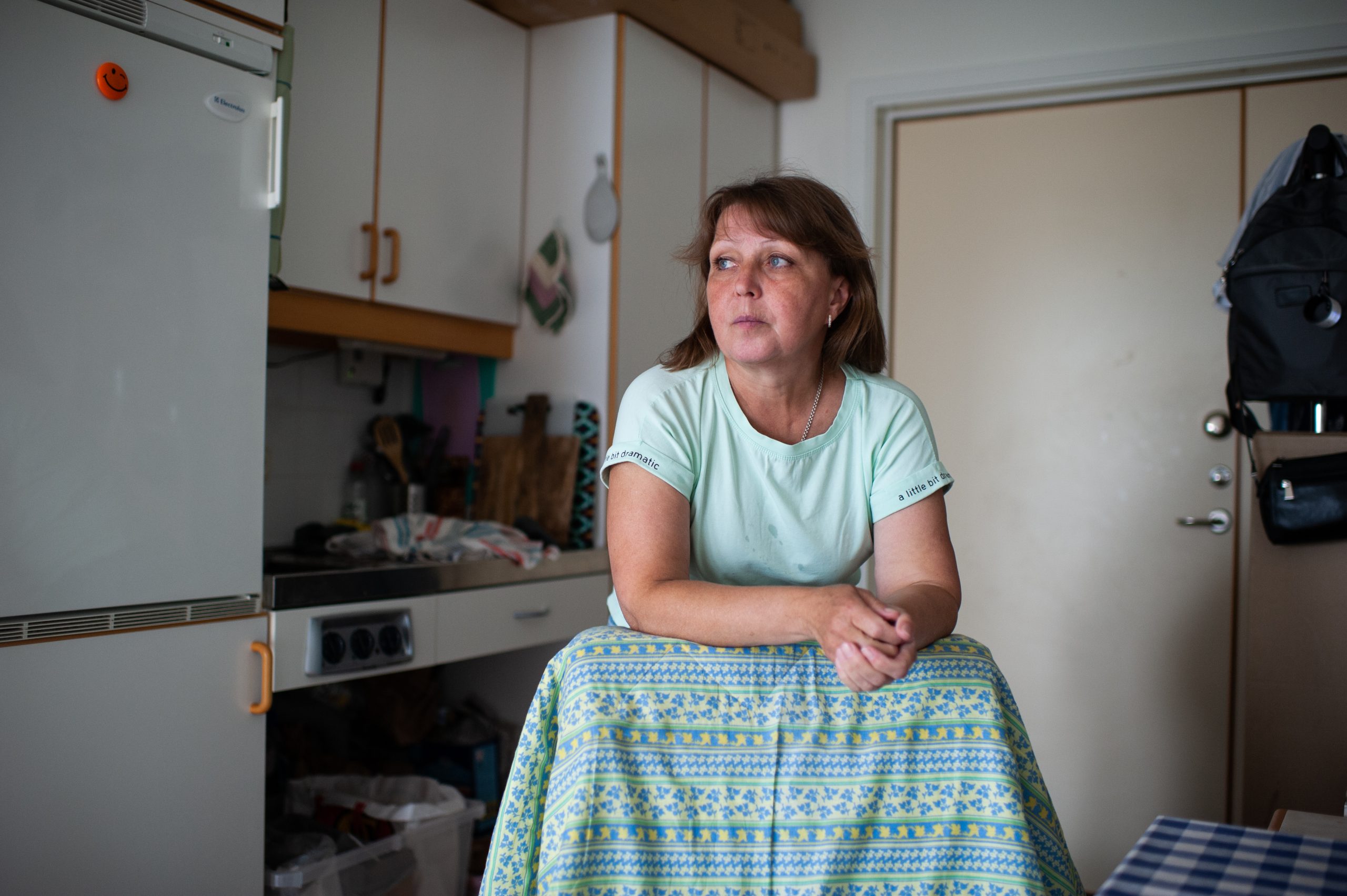
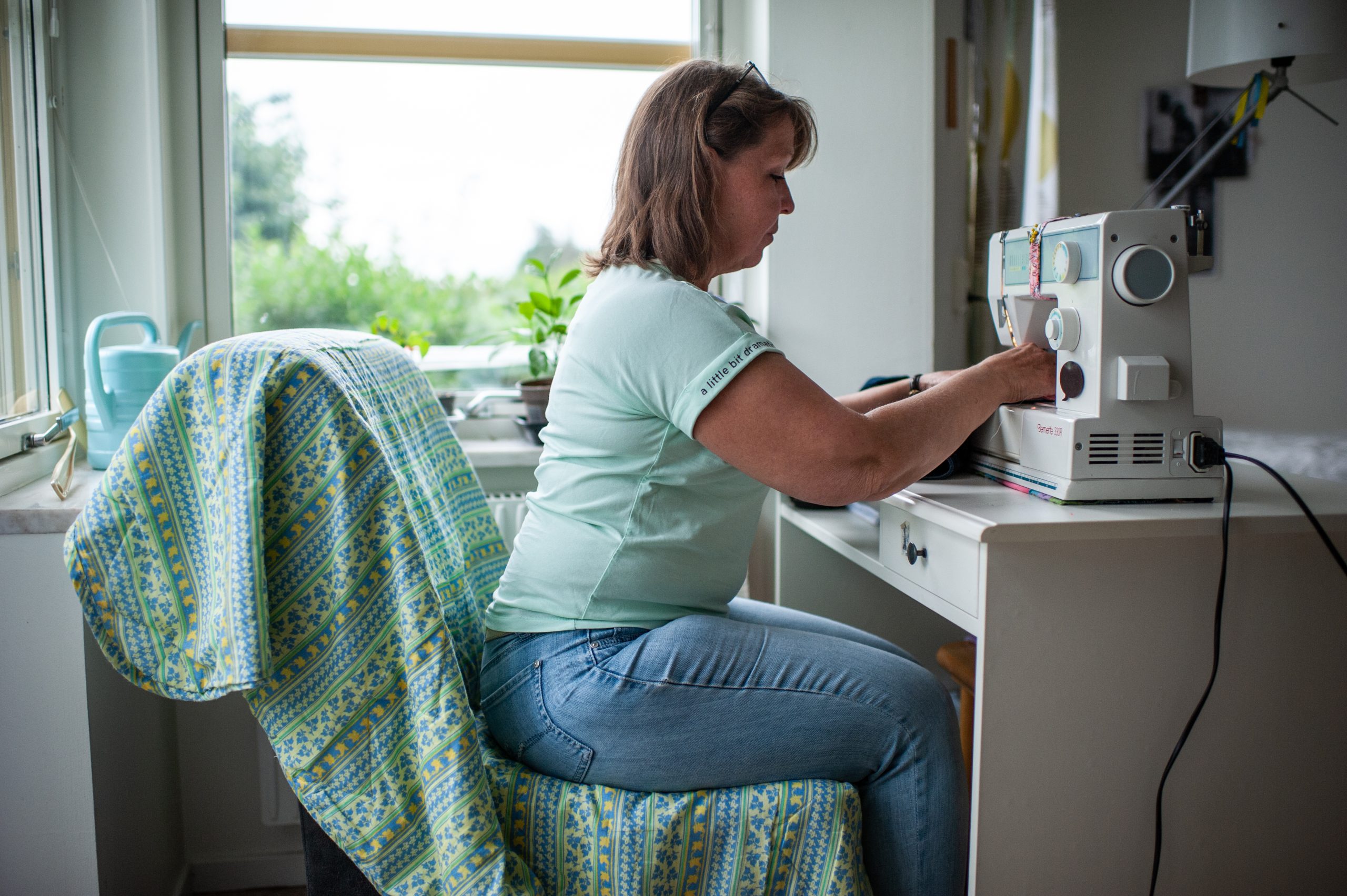
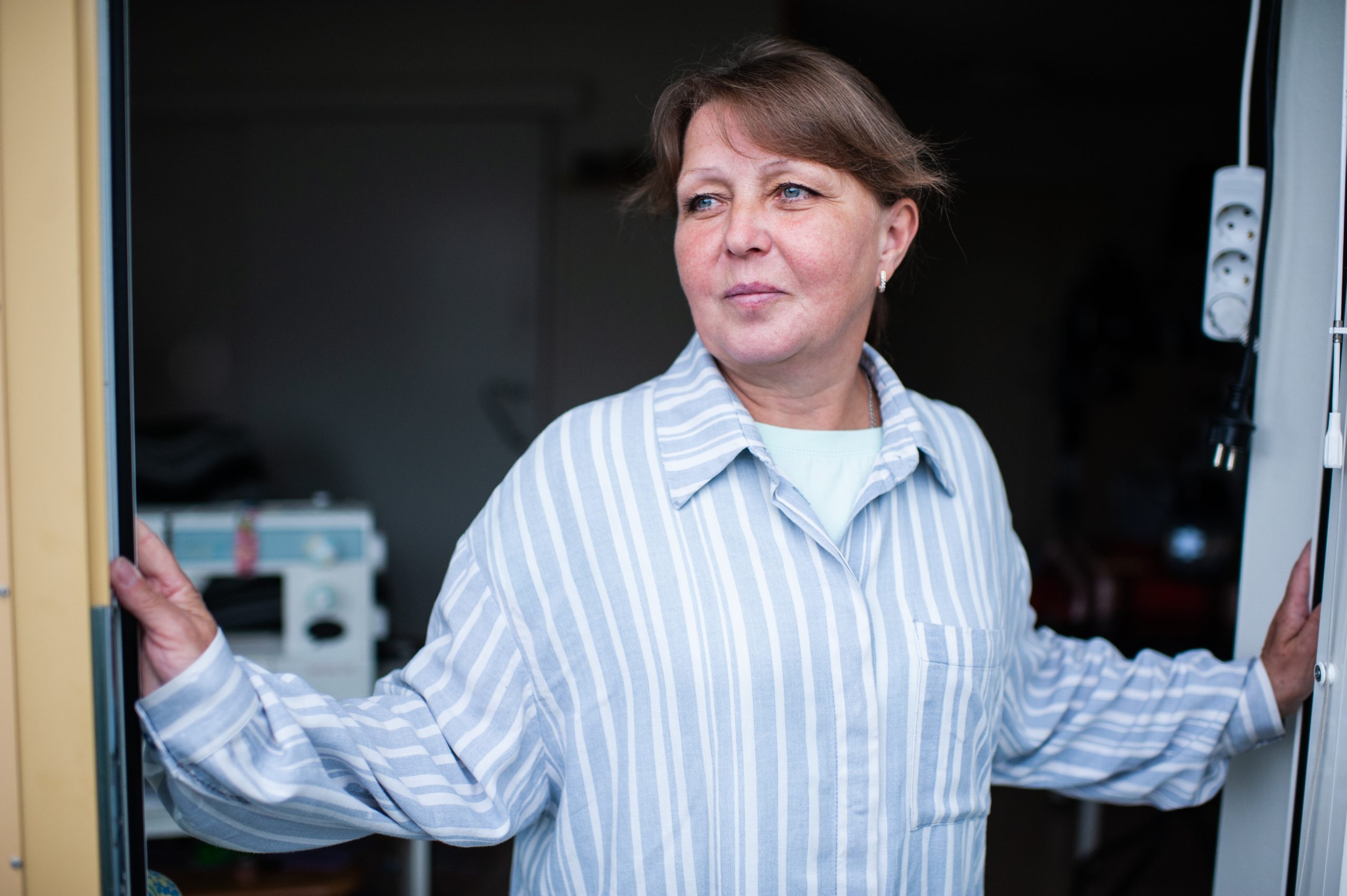
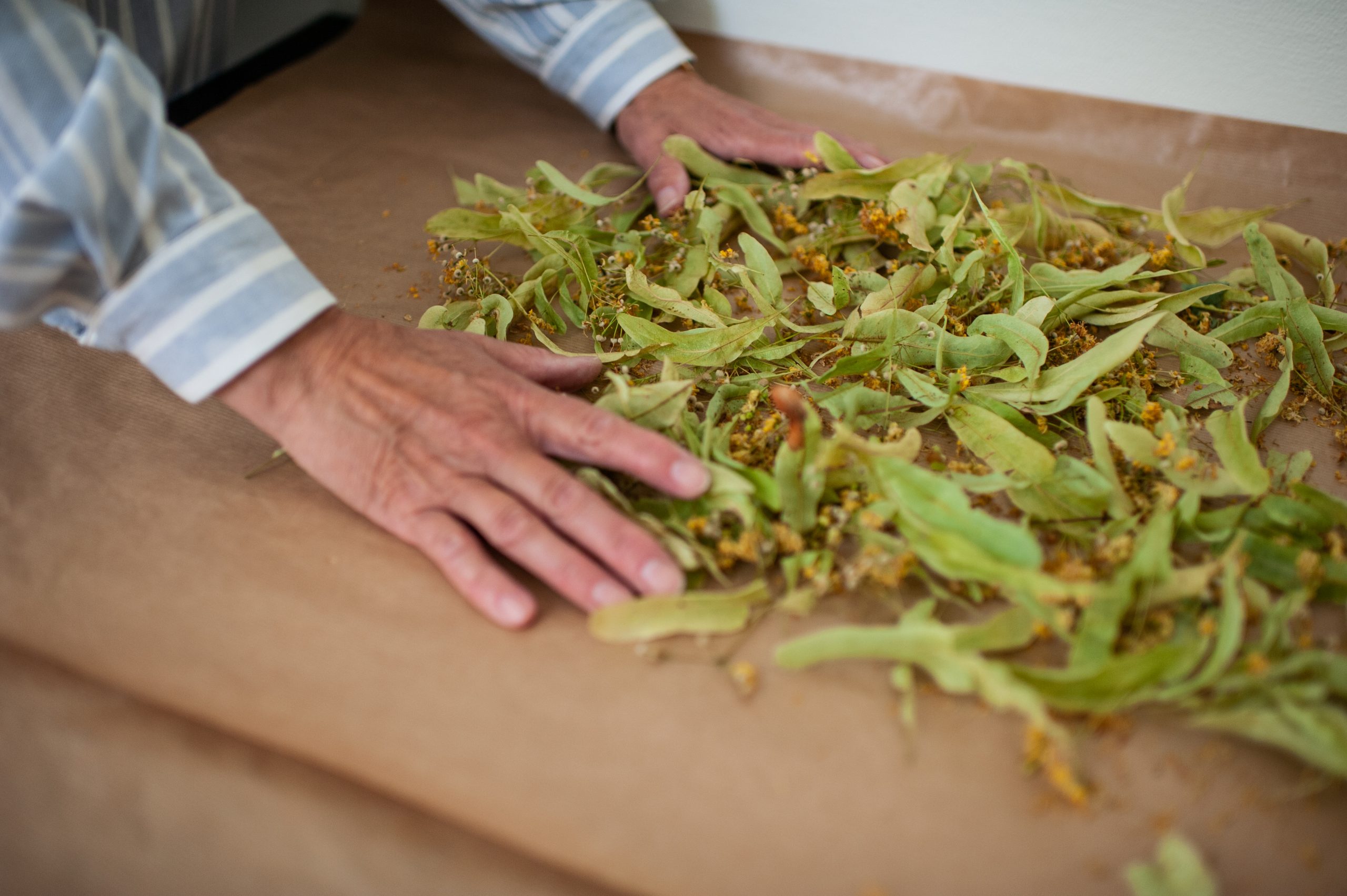
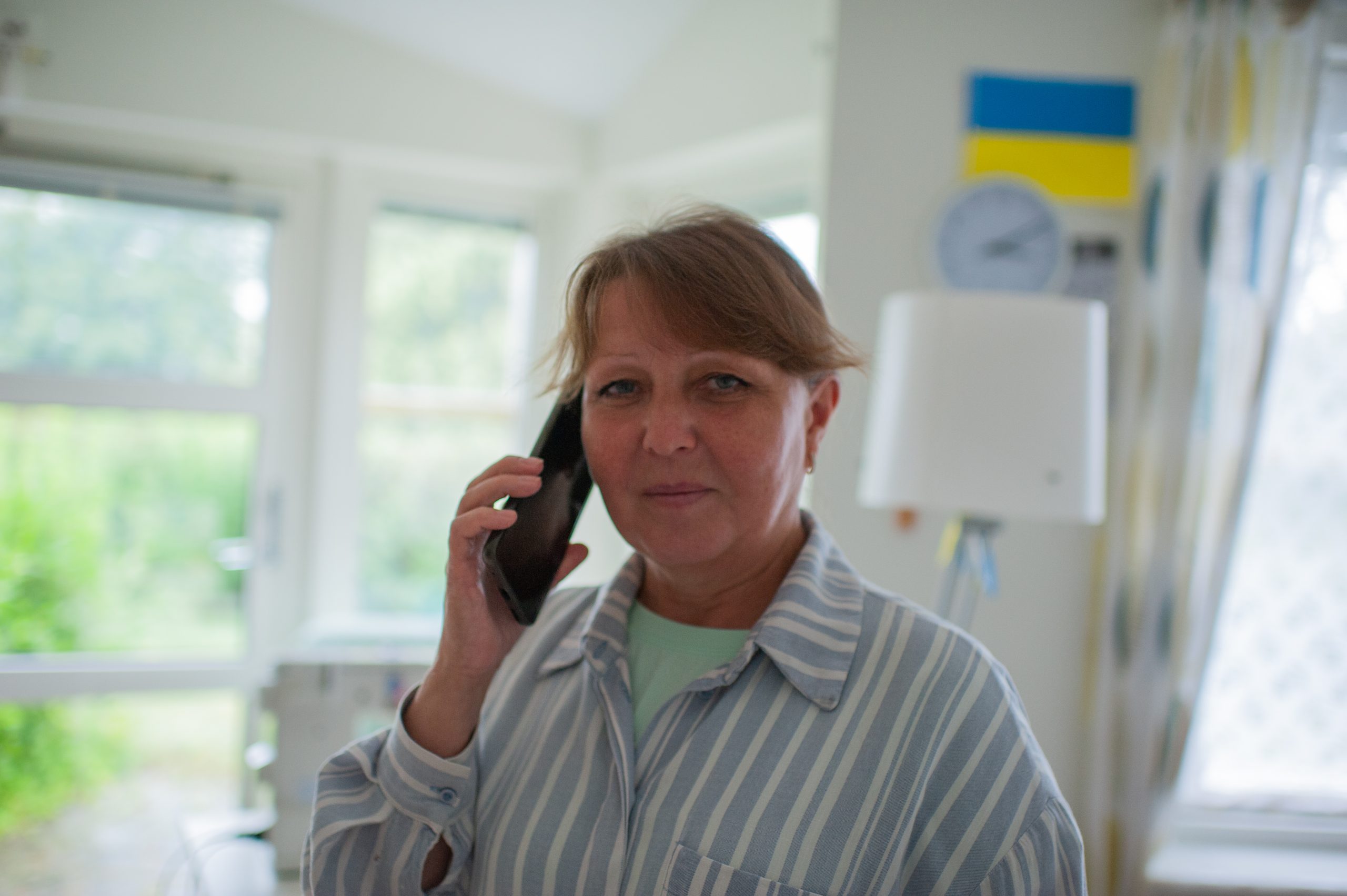
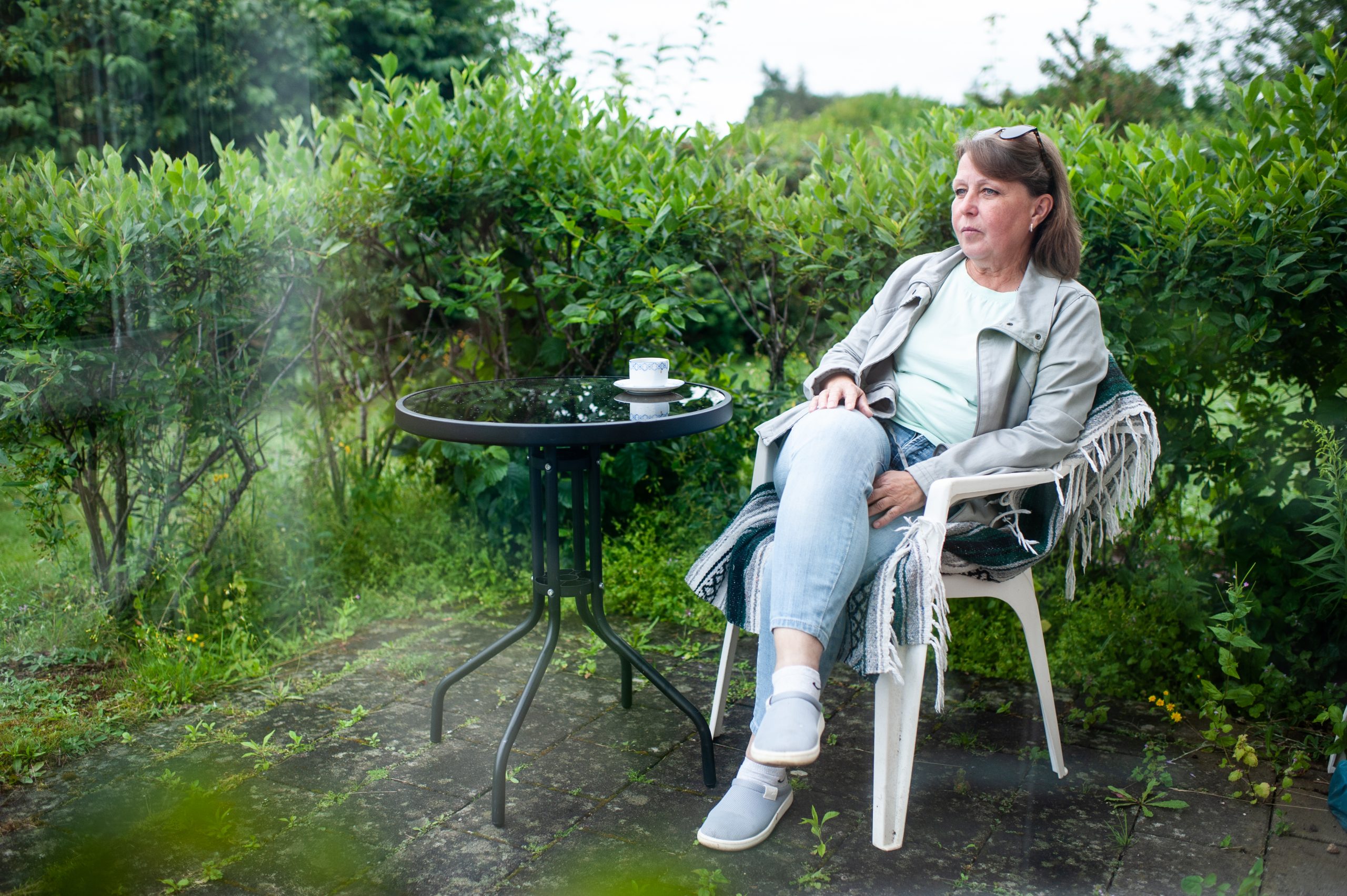
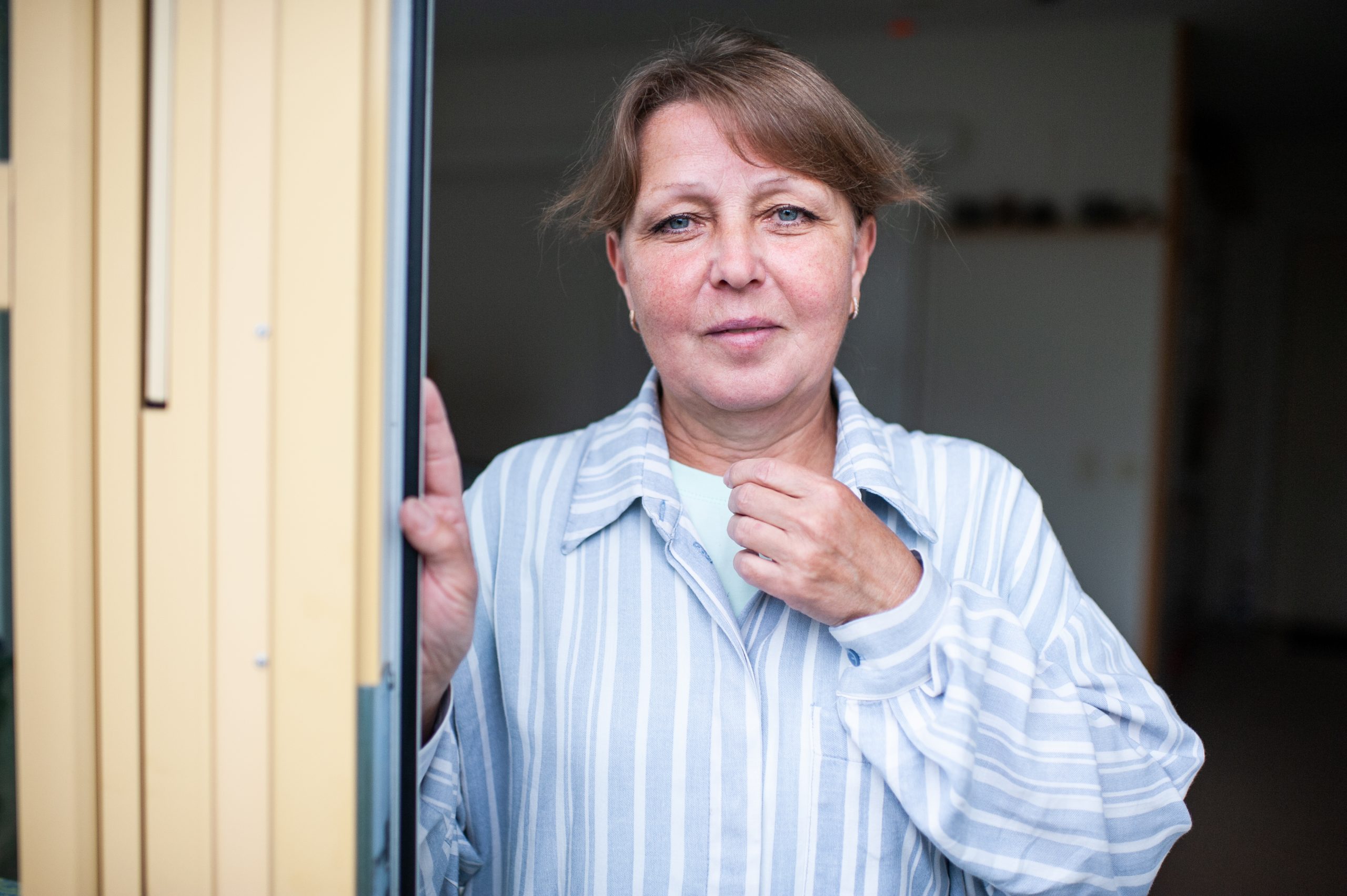
“I really didn’t want to leave Kharkiv. I was born there and had lived there my whole life.”
On February 24, 2022, I woke up at 4 a.m. to the sound of explosions. War had begun in my country. I couldn’t process it right away or believe it was actually happening. Just the day before, I had been walking along the evening streets of my beloved, beautiful, European city of Kharkiv – and I couldn’t believe that in the 21st century, a full-scale war could begin, one that would reduce the city to ruins within just days. My city is located only 80 kilometers from the Russian border. In the months leading up to the war, we observed a buildup of Russian military forces along that border. But it seemed like psychological intimidation or manipulation by Russia. And then, on the 24th, my world changed. My husband and I stepped outside and immediately saw and heard the change. People were in panic, military planes roared overhead, and explosions echoed around us. The planes were flying so low that we could even see the pilot, who seemed to mock us – watching people fall to the ground in fear, he skillfully dropped bombs on buildings near us. The Russian military first targeted strategic sites in the city. All of Kharkiv’s higher education institutions were hit. A dormitory at the aviation school was immediately destroyed, killing many cadets – young people between 16 and 20 years old, just children, in my view. The TV tower was another strategic target, which the Russians attacked but were unable to destroy. The city and Ukrainian soldiers resisted. I was terrified of occupation and knew that if the Russians took control of Enerhodar in the coming days, they would block the only road connecting eastern and western Ukraine, and we wouldn’t be able to leave. My husband and I spent most of our time in basements, hiding from rockets and bombs. I struggled mentally – I became completely numb. I stopped speaking altogether, unable to say a single word. My son, who had long been living and working in Sweden, began looking for a way to evacuate me from Kharkiv. He found a soldier from the Kharkiv Territorial Defense Forces who, on March 1, 2022, found me in a basement and helped me reach the Kyiv highway – 50 kilometers from Kharkiv. From there, I began my journey toward the western border of Ukraine. On March 2, my daughter and her husband also left Kharkiv, following after me. We were able to reunite in Dnipro and continued traveling together. It was a difficult journey, and we arrived in Ivano-Frankivsk on March 9. My daughter and her husband stayed there, while my son’s wife waited for me at the border with Romania.
And so I continued on. My children saved me. Each of them made enormous efforts to overcome that extremely difficult path. My daughter and her husband now live in Ireland. Thankfully, we can still see each other. On March 13, my daughter-in-law and I arrived in Sweden, where my son met us.
I really didn’t want to leave Kharkiv. I was born there and had lived there all my life. My children were born there. I am a fifth-generation Kharkiv native. My great-grandmother, Yevdokia Kyrylivna, was born there in 1887. She lived to be 92 and often told me stories about the Soviet regime, which had tried to destroy the Ukrainian people even in the early 20th century. The story of my family reflects how Soviet, and later Russian, authorities have oppressed and deliberately targeted Ukrainians for generations. My grandmother, who was born in 1912, told me that it all started with the policy of “dekulakization” – political repression by the Soviet government targeting wealthy peasants around 1921. These efforts aimed to confiscate the most productive farms, seize large reserves of agricultural products, and eliminate affluent landowners, who were seen as a threat. My great-grandmother lost everything she had. Her land, livestock, food supplies, furniture, and even gold were all taken. Thankfully, she and her three children were not executed. In 1933 came the Holodomor – a man-made famine engineered by the Soviet regime that killed millions of people across Ukraine. Many people in Kharkiv died. My grandmother said that her family survived only because they searched the fields for frozen potatoes and ate tree bark and leaves. During that time, the Soviets began a policy of resettlement. The homes of deceased Ukrainians who died in the famine were repopulated with Russian families from Siberia. That’s how the city gradually changed from Ukrainian to Russian in identity. In 1939, my mother was born, and in 1943, Kharkiv was occupied by Nazi forces. For years, my family lived in fear of telling our own history. It was dangerous and could cost one’s life. Even during World War II, the Soviet government continued executions based on informants’ reports – any word spoken against the regime could be fatal. I was born in Kharkiv in 1963. We spoke Ukrainian at home, but when I was growing up, there were almost no Ukrainian-language schools or universities in the city. The city had become predominantly Russian-speaking, and the Ukrainian language faced discrimination. It was considered the language of peasants, of uneducated people, and speaking it in the city was seen as inappropriate. In 1991, Ukraine gained independence. Only then did Ukrainian schools and universities begin to appear in Kharkiv. Still, my son, born in 1985, attended a Russian-language school. In 2014, after the war began in Donbas and Crimea was occupied, Kharkiv officially transitioned to Ukrainian in customer service and documentation. But even then, I often saw people being discriminated against for using Ukrainian – for example, in shops, where employees were forced to switch from Ukrainian to Russian. This always outraged me. I never stayed silent and insisted that we have only one state language: Ukrainian. Even today, many people in the city still hold pro-Russian views. They complain that the Ukrainian government and military are resisting and preventing Russia from occupying Kharkiv. They see themselves as more Russian than Ukrainian, enjoying the comfort and beauty of Kharkiv while waiting for Russian rule to return. Many of these people are collaborators and help the enemy in their malicious plans. I could never live in Kharkiv under a Russian flag. I hate the Russian government and everything it has done – and continues to do – to Ukrainians and to my family, generation after generation. It pains me deeply that in the end, that government forced my family to flee our beloved, beautiful city – a city I love with all my heart. I wait for the day I can return to my Ukrainian Kharkiv, the way I know and feel it.
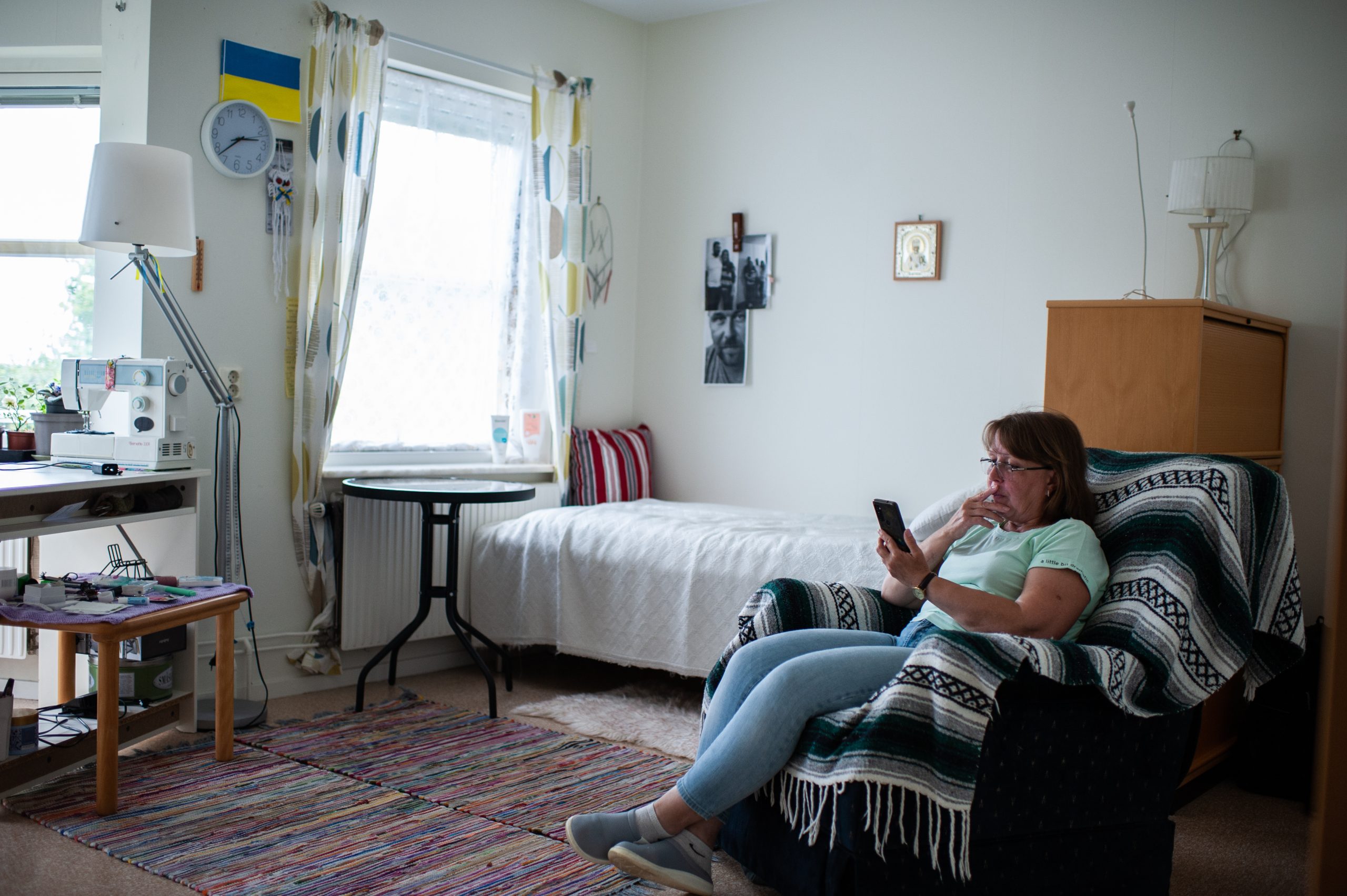
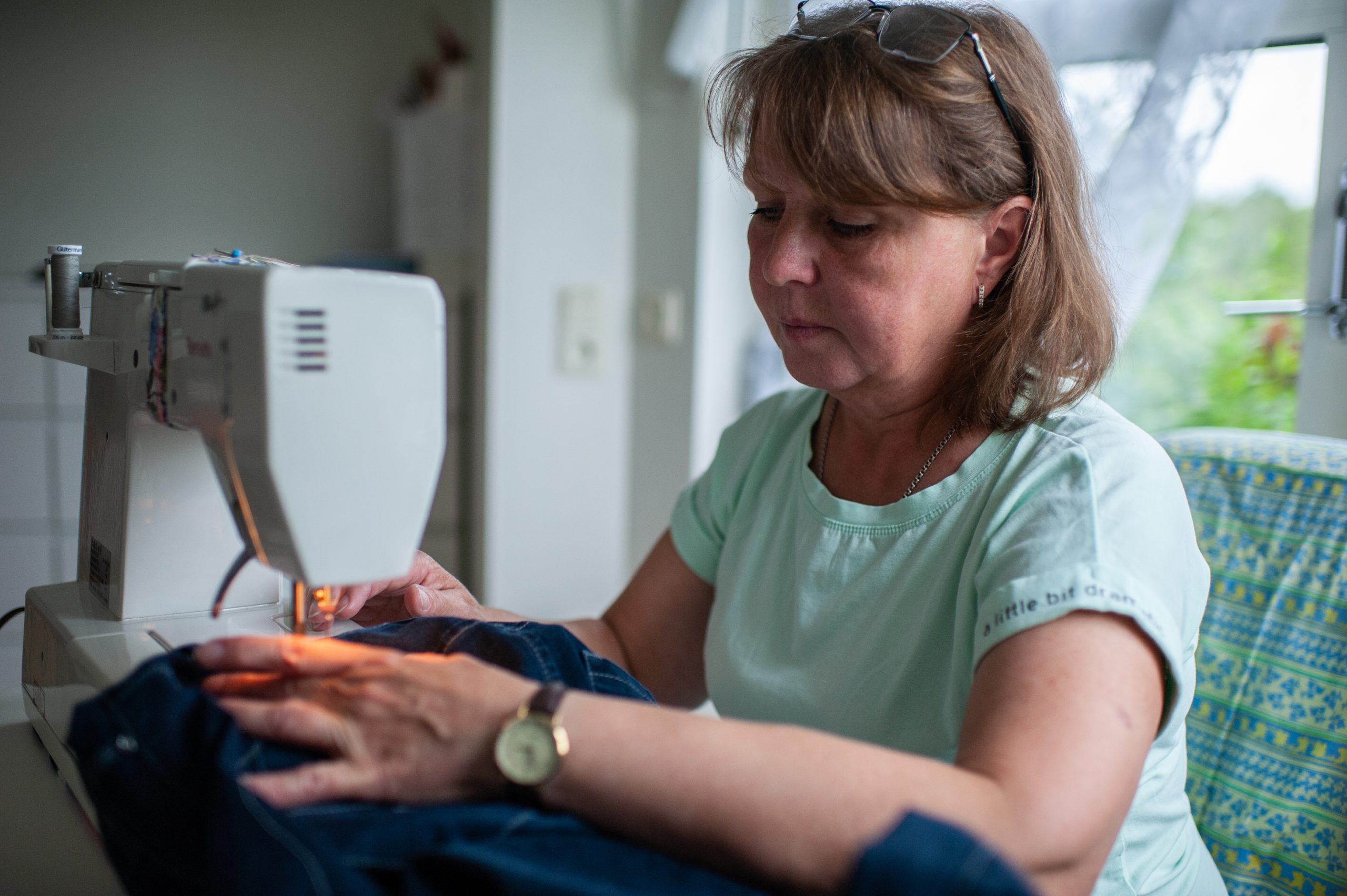
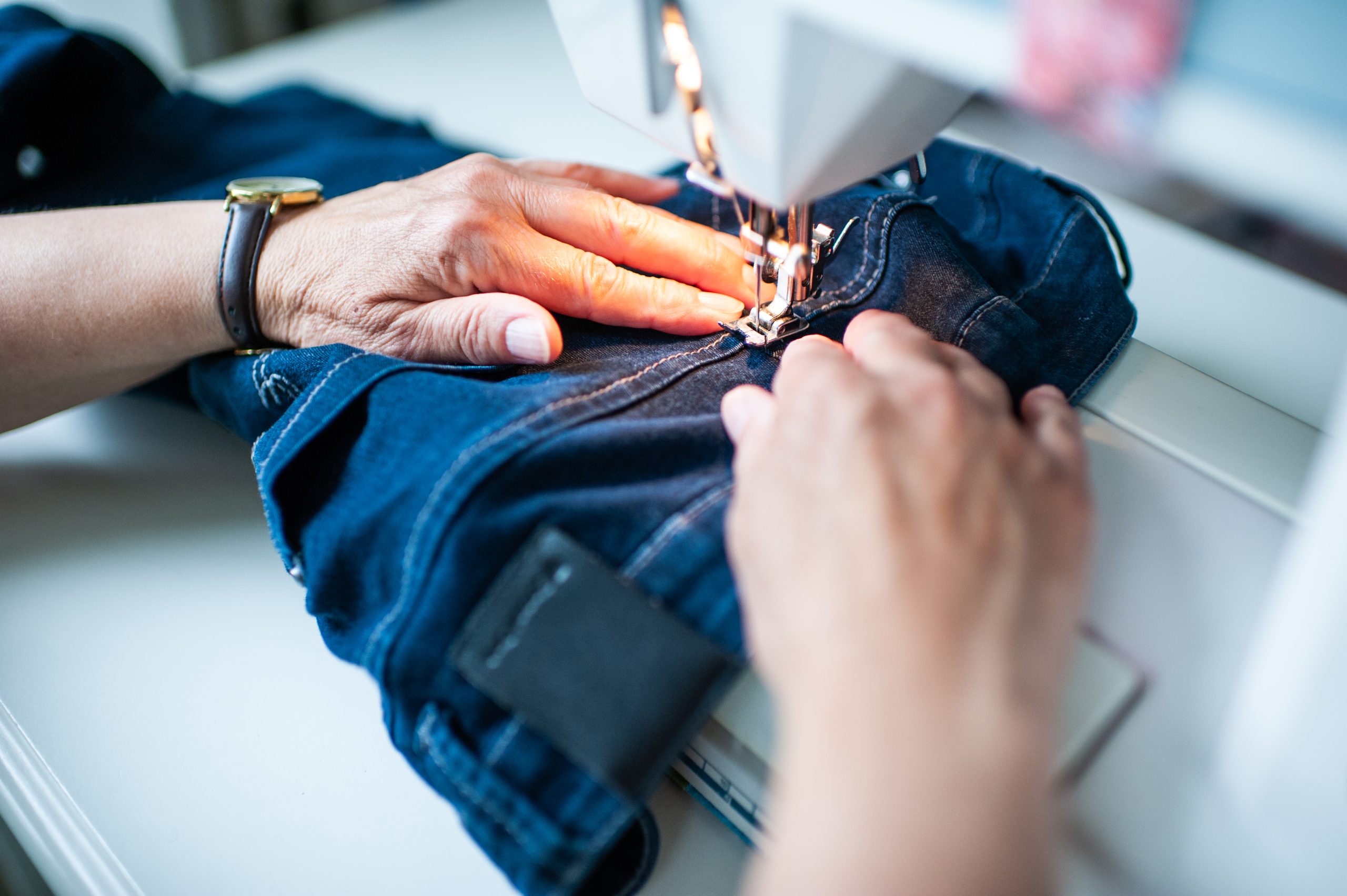
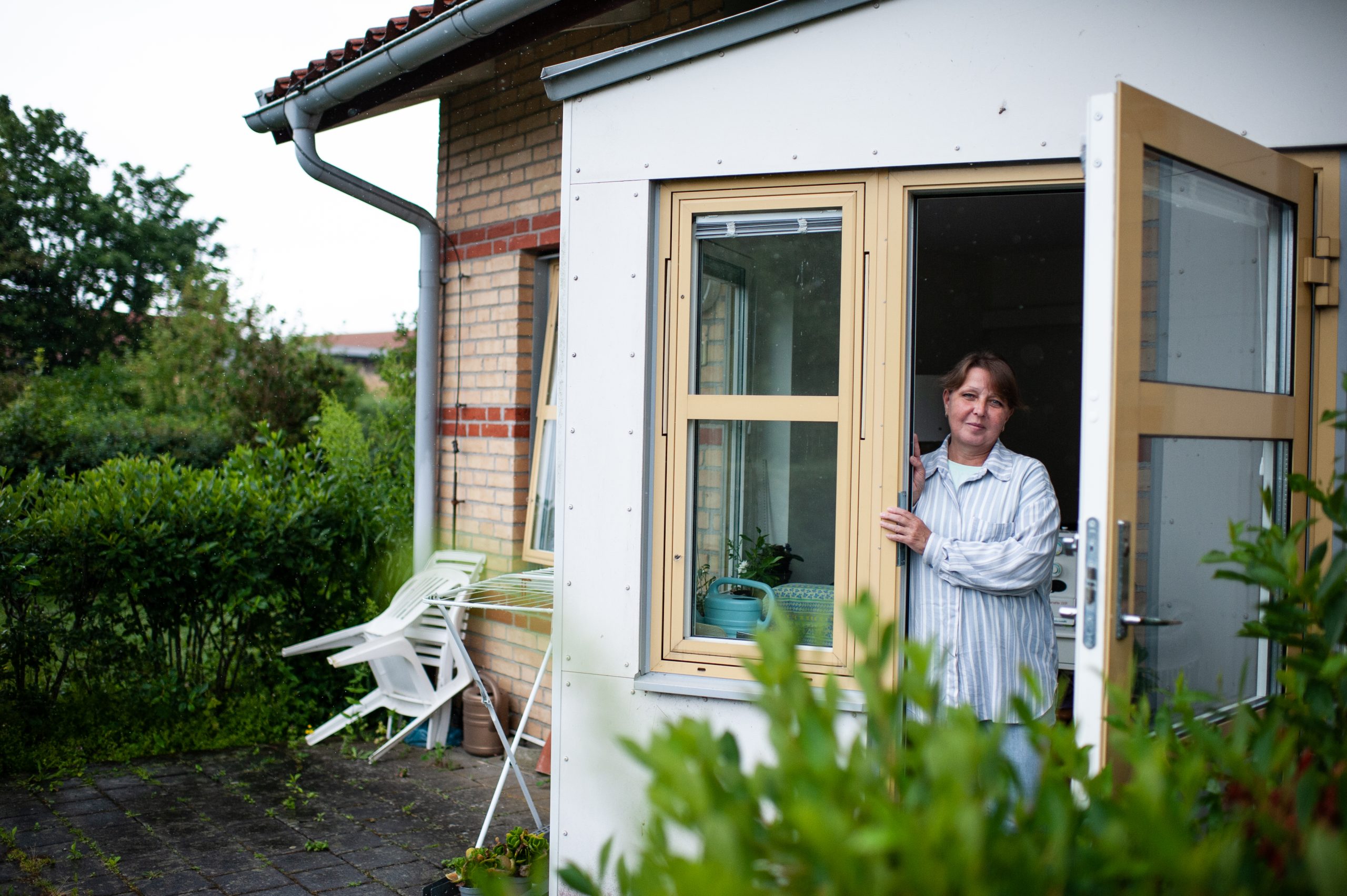
Today, I live in a dormitory in the village of Blentarp, in the Sjöbo municipality. I attend SFI courses and am looking for a job. In Ukraine, I handcrafted leather goods – bags, belts, wallets – which were very popular. Now I try to keep practicing my craft so I don’t lose it. I am incredibly grateful to the Swedish people, who continue to help me even today. I’ve been deeply moved by the kindness of Swedes who opened their hearts to us and continue to support us in our lives. I will never forget that.
Ukrainian version written by – Olena Andryeyenkova.
Translated to English by – Olena Andryeyenkova.
Share